Diesel Heater Not Getting Fuel? Fuel Pump, Fuel Line and Priming Checks
Posted by Heatso on 22nd Nov 2026
If your diesel heater is not getting fuel, the fuel pump is only one possible cause.
Air in the fuel line, loose connections, incorrect pump mounting, a restricted fuel supply, wiring problems, or an incorrectly primed system can produce similar symptoms. Replacing the pump before checking the rest of the fuel system can leave the original problem unchanged.
Start by identifying the exact heater model, recording any fault code, and checking the fuel path from the tank to the heater.
The checks below apply broadly to diesel air and coolant heaters used in RVs, vans, trucks, boats, commercial vehicles, and specialty equipment. Exact pump positions, fuel-line requirements, and priming procedures vary by heater, so always follow the installation or service instructions for your specific Webasto or Espar / Eberspächer model.
Quick checks when a diesel heater is not getting fuel
| Symptom | Check first |
|---|---|
| Fuel pump does not appear to operate | Fault code, fuses, wiring, connectors, battery voltage |
| Pump operates but no fuel reaches the heater | Fuel pickup, pump direction, fuel line, filter, air leaks |
| Air bubbles remain in the fuel line | Connections, routing, fuel pickup, line condition, priming |
| Heater starts and then shuts down | Fuel delivery, voltage, combustion air, exhaust, stored faults |
| New installation has a dry fuel line | Manufacturer-approved priming or initial-start procedure |
| New pump did not solve the problem | Pump compatibility, mounting position, wiring, original diagnosis |
A pump that ticks is not automatically working correctly, and a pump that appears quiet is not automatically defective. Check the complete system before replacing parts.
1. Identify the heater and check the fault code
Start with the heater model.
Examples include:
- Webasto Air Top 2000 STC
- Webasto Air Top Evo 40
- Webasto Air Top Evo 55
- Webasto Thermo Top Evo
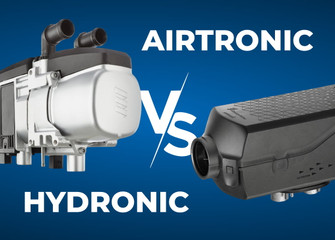
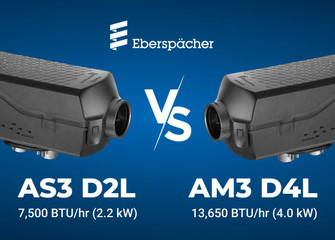
- Espar / Eberspächer Airtronic S3
- Espar / Eberspächer Airtronic M3
- Espar / Eberspächer Hydronic S3
The model matters because pump specifications and troubleshooting procedures are not universal.
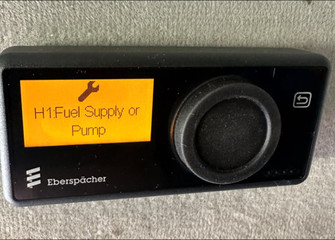
If your controller shows a fault code, write it down before clearing it. That code may identify a fuel-pump circuit problem, but it may also point toward another issue affecting startup.
For applicable Webasto heaters, see our Webasto Flash Code 08 fuel-pump troubleshooting guide.
For an Espar / Eberspächer heater showing P000200, see our Eberspächer P000200 troubleshooting guide.
2. Check the fuel supply from the tank
If fuel is not reaching the heater, follow the fuel path from the tank toward the heater.
Check that:
- there is enough fuel in the tank
- the heater's fuel pickup or standpipe is correctly installed
- the fuel line has not been crushed or kinked
- connections are fully seated
- the line is protected from excessive heat and moving parts
- any installed fuel filter is not visibly restricted
- there are no obvious leaks
A fuel pump can appear faulty when it is actually trying to pull fuel through a restricted line or an incorrectly installed pickup.
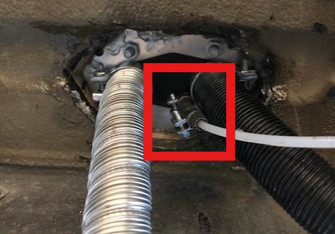
Pay particular attention to the connections before the pump. A poor connection can allow air into the fuel system without necessarily producing an obvious external fuel leak.
3. Look for air bubbles in the fuel line
Some air may be visible while a newly installed or drained fuel system is being filled. Persistent air after correct priming should be investigated.
Check the connections
Inspect the connections between the:
- fuel pickup
- fuel line
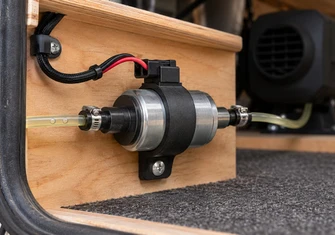
- metering pump
- fuel filter, if fitted
- heater
The line should be fully seated and connected using the arrangement specified for the heater.
Check for sagging fuel line
Avoid large unsupported loops or low points in the fuel line.
Poor routing can allow air to collect in the system and interfere with consistent fuel delivery.
Inspect the complete line
Do not only inspect the few inches next to the heater.
Follow the entire line, especially where it:
- passes through the vehicle floor
- follows chassis rails
- bends around tanks or brackets
- runs near suspension components
- passes close to an exhaust system
A restriction several feet away can still prevent the heater from receiving enough fuel.
4. Check the fuel-pump direction
A heater metering pump has a defined direction of fuel flow.
The basic fuel path should be:
Fuel tank → metering pump → heater
Check the direction marking on the pump and compare the installation with the manufacturer's instructions.
Do not determine fuel-flow direction simply from the location of the electrical connector.
If you are working on an Espar / Eberspächer system, our Espar fuel-system installation guide covers additional brand-specific installation considerations.
5. Check the fuel-pump mounting position
There is no universal fuel-pump angle that applies to every diesel heater.
This is one area where generic advice found online can create new problems.
Espar / Eberspächer specifies model-dependent mounting positions for its metering pumps. Webasto also specifies permitted positions according to the heater and pump arrangement.
Before changing the pump position:
- Identify the exact heater model.
- Confirm the correct pump for that heater.
- Find the pump installation diagram in the manufacturer's instructions.
- Compare the installed pump with that diagram.
Do not copy the pump angle from another heater simply because the pumps look similar.
Also check that the pump is securely mounted and that the fuel lines are not pulling sideways on the connections.
6. How do you prime a diesel heater fuel system?
Priming fills an empty fuel line and removes air before normal heater operation.
Priming may be needed after:
- installing a new heater
- replacing a fuel pump
- replacing or opening the fuel line
- draining the fuel system
- running the heater's fuel supply empty
The correct procedure depends on the heater.
Some heaters fill the fuel line as part of their specified startup procedure. Others use diagnostic equipment or a specific service function.
Do not assume that applying battery power directly to the metering pump is an approved priming method for every heater.
Use the procedure specified for your exact model.
After priming, inspect the fuel system again for:
- leaks
- persistent air bubbles
- loose connections
- abnormal fuel flow
If the heater repeatedly fails to start after correct priming, check the stored fault information rather than continuing to repeat the same startup attempt.
7. Check the electrical system before replacing the pump
The pump needs the correct electrical signal from the heater.
Check the basic electrical installation, including:
- heater fuses
- battery connections
- pump connector
- damaged wiring
- loose or poorly crimped terminals
- corrosion
- system voltage
The pump may not operate if the heater enters a fault condition before reaching the fuel-delivery stage.
Model-specific electrical measurements or pump tests should be carried out according to the appropriate manufacturer documentation.
Avoid bypassing the heater electronics as a troubleshooting shortcut unless the manufacturer's procedure specifically calls for it.
8. What if the fuel pump ticks but the heater does not start?
A ticking metering pump normally means the pump is receiving pulsed commands from the heater.
It does not prove that the correct amount of fuel is reaching the combustion chamber.
If the pump ticks but the heater does not ignite, check:
- fuel level
- fuel pickup
- air entering the fuel line
- pump direction
- pump mounting position
- restricted or damaged fuel line
- fuel filter
- connections
- correct priming
The problem may also be somewhere else in the heater.
Low voltage, a combustion-air restriction, an exhaust problem, burner issues, or other model-specific faults can also prevent successful ignition.
If your Espar / Eberspächer heater displays P000200 while the pump operates, use our dedicated P000200 troubleshooting guide rather than assuming the pump itself needs replacement.
9. When should the fuel pump be replaced?
Replace the metering pump when proper diagnosis indicates that the pump itself is faulty or incompatible with the heater.
This may include situations where:
- manufacturer diagnostics identify a pump or pump-circuit fault
- the pump fails the specified electrical or delivery test
- the pump is physically damaged
- an incorrect pump has previously been installed
- fuel-line and installation problems have been ruled out
Do not choose a replacement based only on whether the heater uses 12V or 24V.
The metering characteristics of the pump must also match the heater.
If diagnosis confirms that you need a replacement, shop fuel pumps by heater brand and model.
You can also browse:
Espar and Webasto fuel-system specifications are not interchangeable
Many basic troubleshooting checks are similar across diesel heaters, but installation specifications should not be transferred from one heater to another.
Espar / Eberspächer and Webasto may specify different:
- fuel pumps
- mounting positions
- fuel-line sizes
- permissible line lengths
- fuel pickup arrangements
- priming methods
- diagnostic procedures
Differences can also exist between older and newer heater generations from the same manufacturer.
Always identify the exact heater and follow its installation or service documentation before changing the fuel system.
Frequently Asked Questions
Why is my diesel heater not getting fuel?
Possible causes include a fuel-pickup problem, air entering the fuel line, a restriction, incorrect pump direction, incorrect pump mounting, a blocked filter, an electrical problem, or a failed metering pump. Start with the heater's fault information and inspect the complete fuel path before replacing parts.
Why is my diesel heater fuel pump not working?
Check the heater's power supply, fuses, pump wiring, connectors, and fault code first. Then inspect the fuel pickup, line, pump direction, and mounting position. A lack of fuel delivery does not automatically mean that the pump has failed.
Should there be air bubbles in a diesel heater fuel line?
Air may be present while an empty system is being primed. Persistent air after correct priming can indicate a problem with a connection, fuel-line routing, the fuel pickup, or another part of the fuel system.
How do I prime a diesel heater fuel pump?
Use the initial-start or priming procedure specified for the exact heater model. Priming methods vary, and some heaters require a controlled service or diagnostic procedure.
What angle should a diesel heater fuel pump be installed at?
There is no universal angle for every heater. Check the installation instructions for your exact heater and metering pump before changing its position.
Why does my diesel heater fuel pump tick?
Metering pumps operate in pulses, so a regular ticking sound can be normal. However, hearing the pump does not confirm that the fuel supply, line routing, or combustion process is working correctly.
Can I use any 12V fuel pump with my diesel heater?
No. Voltage is only one compatibility requirement. The pump must also have the correct metering characteristics and be approved for the specific heater.
Diagnose the fuel system before replacing parts
If your diesel heater is not getting fuel, work through the system in order.
Identify the heater and record any fault code. Check the fuel supply, pickup, fuel line, connections, air bubbles, pump direction, mounting position, and electrical supply. If the system needs priming, use the manufacturer's procedure for that heater.
If testing confirms that the metering pump needs replacement, browse our heater fuel pumps by brand and model.