Diesel Heater Exhaust Silencers: Noise, Condensation and Common Installation Mistakes
Posted by Heatso on 20th Nov 2026
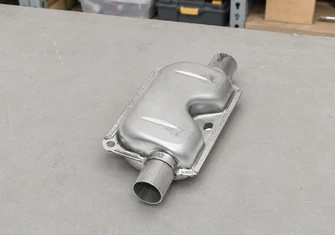
A diesel heater exhaust silencer, also called a muffler, reduces noise from the exhaust. It won't quiet a clicking fuel pump, a cabin blower, or a vibrating bracket. The silencer must also suit the heater and be installed in a layout that accounts for heat, exhaust flow, and condensation.
The same general principles apply to comparable gasoline-fired heaters, also called petrol heaters. Always use the installation instructions and approved exhaust components for your exact heater model and application.
Whether you have an Espar / Eberspächer Airtronic, a Webasto Air Top, or another fuel-fired heater, check more than pipe diameter before choosing a silencer. Mounting position, drainage, permitted pipe lengths, and the vehicle or vessel application all matter.
What can a diesel heater muffler actually quiet?
An exhaust silencer reduces sound traveling through the exhaust system. If the noise comes from another part of the heater, a new muffler may make little difference.
| Sound you notice | Area to investigate | Will an exhaust silencer address it? |
|---|---|---|
| A combustion roar strongest near the exhaust outlet | Heater exhaust system | It can reduce exhaust noise when the part and installation are suitable. |
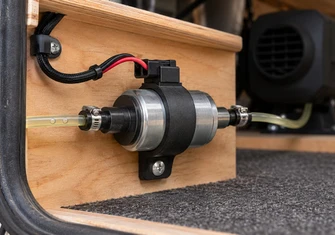
| A regular clicking sound near the fuel pump | Metering pump and its mounting | It is not the component intended to quiet pump clicking. |
| Rushing air at a cabin vent | Warm-air airflow and duct layout | It does not treat cabin air-distribution noise. |
| A rattle or buzz from a panel or bracket | Mounting, support, or contact between components | The mounting problem needs inspection rather than a different muffler alone. |
Start by listening for where the sound is strongest. If your diesel heater noise changed after installation or a repair, investigate that change before buying another accessory. If cabin airflow is the main issue, our heater ducting and airflow guide covers that part of the system.
Exhaust silencer vs. combustion air intake silencer
These silencers fit different parts of the system.
The combustion air intake supplies air to burn the fuel, while the exhaust carries combustion gases away. An intake silencer belongs on the intake side, and an exhaust silencer belongs on the exhaust side. They are not interchangeable.
A warm-air duct silencer is different again: it is used in the cabin heating-air system. Before ordering, identify the heater connection and check what the component is designed for.
Why condensation collects in a heater exhaust
Burning diesel or gasoline produces water vapor along with other combustion products. As the exhaust gases cool, some vapor can turn into liquid water. The exhaust layout needs to manage that moisture so it does not collect in a low section of pipe or a poorly positioned silencer.
Diesel heater exhaust condensation can collect if a pipe sags, a muffler is mounted where it cannot drain as designed, or a required drain becomes blocked. Accumulated water can contribute to corrosion or restrict the exhaust.
Water can also enter from outside. Consider road spray, washing, and the location of a boat's exhaust outlet as well as condensation formed inside the system.
The exact drainage arrangement depends on the heater, exhaust components, and application. Follow the relevant installation instructions; do not copy a drain-hole size or location from an unrelated heater.
Flow direction and mounting orientation are different
A diesel heater muffler may allow exhaust to flow through either end but still need to be mounted a particular way up. Turning it over can change where water collects, even when exhaust flow is unaffected.
For example, some Webasto muffler instructions allow flow in either direction but require the silencer to be positioned so condensation can escape through its drain opening. Check both requirements.
Check the instructions and any markings for the exact silencer. A product photograph helps identify a part, but it is not enough to establish its installed position.
How the Espar exhaust pipe and silencer work together
When replacing an Espar heater exhaust pipe, check the pipe and silencer together. Look at the specified connection size, permitted pipe layout, drainage, and mounting. Address any kinked or damaged pipe as well as inspecting the muffler.
Our Espar exhaust pipe and exhaust accessories category brings together pipe, clamps, silencers, and related parts. Match the components to the exact heater and installation instructions.
For an installation specifically requiring 30 mm exhaust pipe, see our Espar / Webasto 30 mm stainless steel exhaust pipe. Confirm the required size before ordering; this is not a universal replacement for every Espar heater.
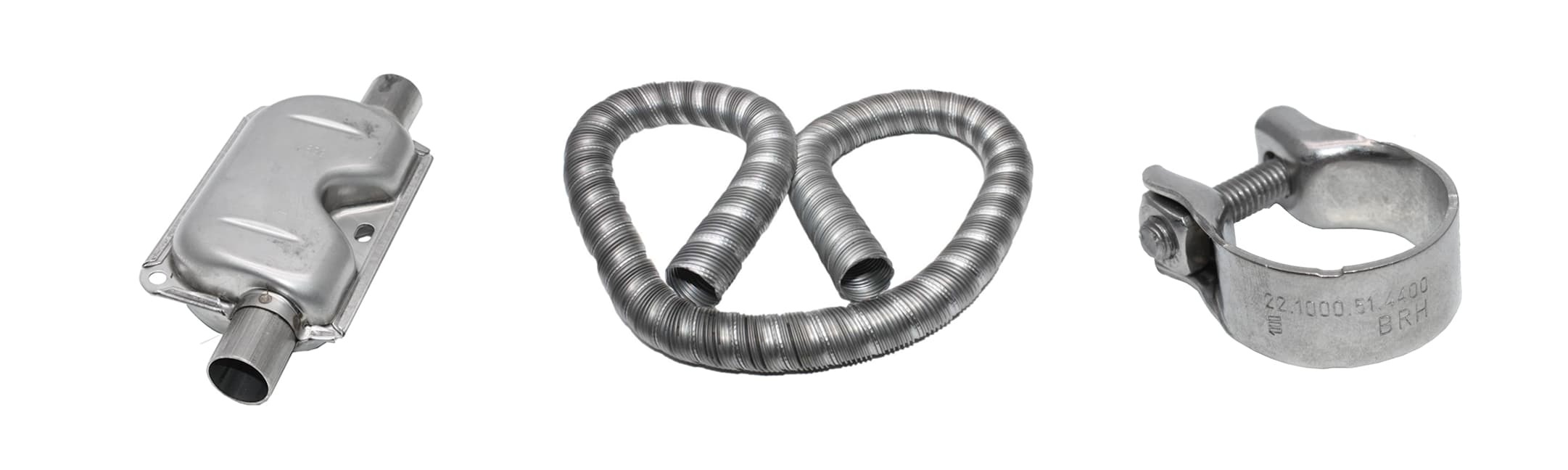
Example: Eberspächer Airtronic D2 exhaust installation
Eberspächer's Airtronic D2 technical manual gives a practical example for a vehicle installation. The Universal and Plus kits it describes include a silencer and a flexible exhaust pipe with a 24 mm inside diameter. The flexible pipe can be shortened to about 8 inches (20 cm) or lengthened to a maximum of about 6½ feet (2 m), depending on installation conditions. Use the metric dimensions when checking the limits and selecting parts.
For that setup, the manual instructs the installer to fasten the silencer to the vehicle, route the exhaust with a slight downward slope, and keep sufficient clearance from heat-sensitive parts, including fuel lines, electrical cables, and brake hoses. The outlet must end in the open air, be protected from blockage by dirt and snow, and be positioned so exhaust is not drawn into the combustion air intake.
If a silencer is fitted, the manual says the end pipe after it must be much shorter than the flexible pipe between the heater and silencer.
This is an example from that manual, not a specification for every Airtronic or marine installation. Check the manual and approved components for your exact model, application, and installation. A qualified installer should confirm the complete layout and any condensate drainage provisions.
Common diesel heater exhaust installation mistakes
1. Choosing by diameter alone
A matching connection size does not mean a silencer is suitable for every heater. Check the heater model, approved accessory information, and silencer part number. Also confirm whether it is intended for a road vehicle, boat, or another application.
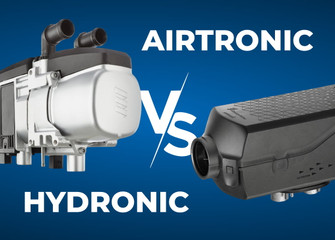
This applies when comparing Espar Airtronic and Hydronic accessories or different Webasto heater families. A hose fitting over the connection does not make a muffler interchangeable.
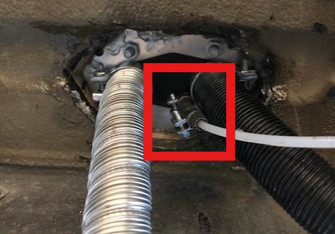
2. Creating a low pocket that holds water
Even a tidy-looking exhaust can have a sag or upward loop that traps condensate. Route and support the pipe to suit the drainage arrangement specified for the heater.
Recheck the layout after work underneath the vehicle. A moved bracket or replacement section can change the routing and leave a low point that was not there before.
3. Blocking a drain or improvising a new one
If the specified silencer has a drain opening, its mounting and surrounding materials must leave the drain able to work. Check the drainage arrangement before adding a wrap or bracket.
Do not drill, seal, or modify an exhaust component based on a general online tip. Some instructions specify drainage provisions for a particular installation; that does not make the same modification suitable for a different system, especially inside a boat.
4. Adding exhaust pipe just to reduce noise
Adding exhaust pipe will not necessarily solve a noise problem. The heater has limits for its exhaust and combustion-air system, and a silencer can affect the permitted configuration.
Before extending the exhaust or changing fittings, check the exact model's limits. A quieter arrangement still needs to stay within the approved layout.
5. Mounting hot components against sensitive parts
The muffler and exhaust pipe become hot during operation and remain hot afterward. Keep the specified clearance from fuel lines, wiring, brake hoses, plastics, and other heat-sensitive materials. Use suitable supports so movement and vibration do not bring components into contact.
Exhaust insulation is not a substitute for correct routing, support, and clearance. Use it only as specified for the installation.
6. Moving the outlet without checking where fumes go
Moving an exhaust outlet to make it less noticeable could put it near a window, ventilation opening, or heater air intake. Exhaust gases must discharge outside without being drawn back into the vehicle or heater.
Outlet positioning must also account for obstruction, road debris, snow, and water exposure. For the wider installation review, use our Eberspacher air heater installation checklist alongside the official manual for your exact model.
Boat installations need a separate compatibility check
A vehicle exhaust silencer should not be treated as a universal marine accessory. Some standard silencers are specifically unsuitable for installation in boat interiors. A marine installation needs exhaust components, drainage, insulation, supports, and an outlet arrangement suitable for that vessel and heater.
Check the risk of water entry, considering vessel movement, the outlet location, and the route from the heater to the hull outlet together. Use the marine installation documentation and a qualified installer. Do not transfer an under-vehicle layout into a locker or engine compartment.
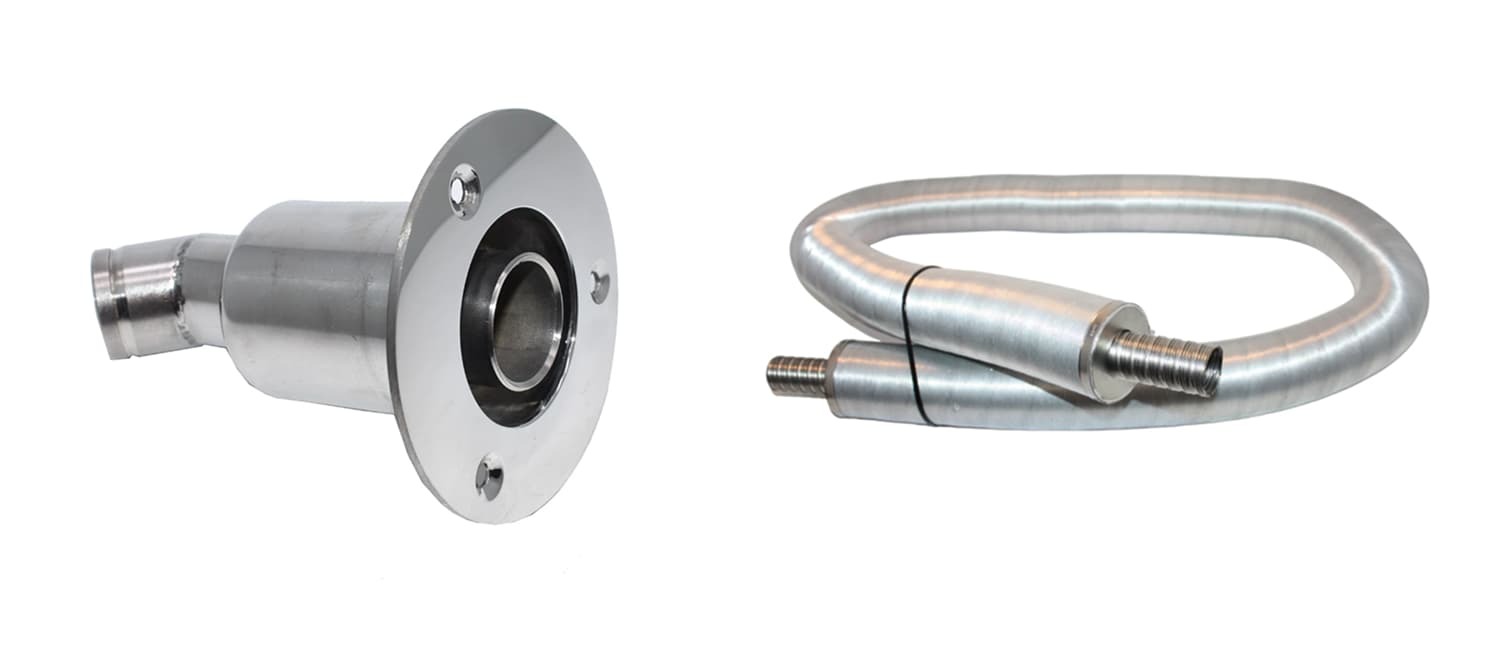
What to check before replacing a silencer
Before ordering a replacement or planning an upgrade, gather:
- The exact heater model, fuel type, voltage, and identification-label details.
- The existing silencer's part number and exhaust connection size.
- Whether the application is a van, RV, truck, boat, or work machine.
- Photos showing the full exhaust route, muffler mounting position, and outlet.
- A description of the noise, when it occurs, and any recent installation changes.
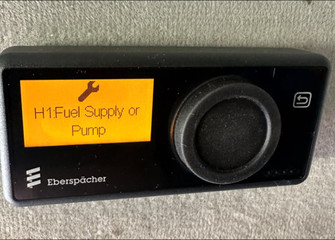
- Any displayed fault codes or operating symptoms.
If the heater is no longer running properly, include the exhaust in the diagnosis. A muffler may need closer inspection even if its ends look clear, and noise alone does not establish whether it needs replacing.
If exhaust fumes enter an occupied space, stop using the heater, leave the affected area, and have the system inspected before restarting. For routine inspection work, switch the heater off using its controller, allow the shutdown cycle to finish, and let the exhaust cool completely before touching it.
Frequently asked questions
Does a diesel heater exhaust silencer stop fuel pump clicking?
No. It reduces sound in the exhaust path. Pump clicking needs a separate assessment of the metering pump and its approved mounting arrangement.
Does every fuel-fired heater need an exhaust silencer?
Requirements vary by heater and application. Some installation instructions allow operation without a muffler, while others require one. Follow the instructions for your exact heater rather than removing a specified component.
Can a diesel heater exhaust silencer be fitted either way around?
Some designs allow exhaust flow in either direction, but that does not make every mounting position acceptable. Check flow markings, orientation, drainage, and fixing requirements for the specific part.
Should I drill a hole to drain exhaust condensation?
Only use the drainage arrangement specified for the exact heater, component, and application. A modification shown in one manual should not be copied to another system or a marine exhaust without confirmation.
Will a larger muffler make my heater quieter?
A larger size alone does not establish compatibility or guarantee less noise. The silencer must suit the heater and its permitted exhaust layout. Check where the noise is coming from before changing parts.
Choose exhaust parts around the heater and application
Start with the approved exhaust arrangement, then choose the correct silencer and mounting components. Our heater exhaust accessories include silencers, exhaust pipe, clamps, and related installation parts.
If you are unsure which component fits, contact our support team with the heater details and installation photos. We can help you identify the next compatibility check before you order.
We wrote this article with input from our engineers and engineers at Eberspächer, who have seen firsthand how exhaust installation mistakes can cause problems for heater owners.