All You Need to Know About Truck Parking Heaters
Posted by [email protected] on 16th Dec 2024
Truck Cab Heaters and Truck Parking Heaters: Complete Guide
A truck cab heater, sometimes searched as a truck cabin heater, truck parking heater, or truck auxiliary heater, helps keep the cab or sleeper warm while the engine is off. For drivers searching for a heater for truck cab comfort, diesel air heaters are usually the most practical option for sleeper cabs, semi trucks, work trucks, box trucks, and fleet vehicles.
The right heater depends on what you need to warm. Some drivers need direct cab heat while parked overnight. Others need engine preheating, coolant-loop heating, or a larger heater for a box truck, service body, or mobile work vehicle.
Quick Answer: What Is the Best Heater for a Truck Cab?
For most diesel truck cabs and sleeper cabs, a compact diesel air heater is usually the best starting point. It provides direct warm air inside the cab or bunk area while the engine is off, making it practical for overnight parking, rest stops, loading delays, and cold-weather routes.
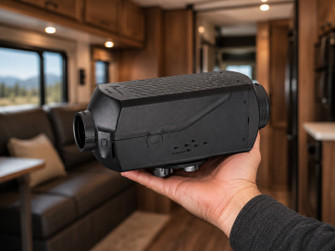
A 6,800-7,500 BTU/h diesel air heater, often described as a 2 kW class heater depending on the model, is commonly suitable for compact cab and sleeper heating. Popular trucker choices for air heaters include:
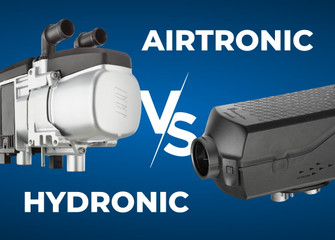
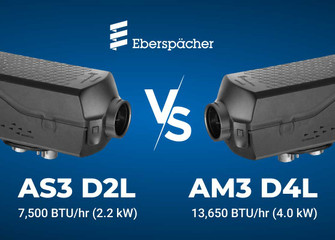
- Espar Airtronic AS3 D2L 12V 7,500 BTU Heater Kit
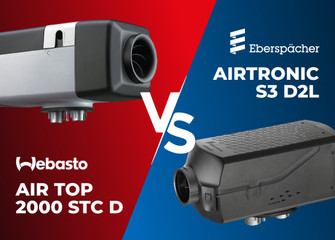
- Webasto Air Top 2000 STC Diesel 12V Heater Kit with Rheostat
If your goal is engine preheating, cold-start support, defrost support, or coolant-loop heating, a coolant heater is usually the better choice. Popular coolant heater options for trucks include:
- Espar Hydronic S3 D5E Diesel 12V Coolant Heater Kit
- Webasto Thermo Top Evo Diesel 12V Coolant Heater Kit
You can also browse our full coolant and water heaters category.
What Is a Truck Cab Heater?
A truck cab heater is an auxiliary heating system designed to warm the cab, sleeper, or working area of a truck without depending on the main engine for heat. In many truck applications, the heater is used while the vehicle is parked, which is why these systems are also called truck parking heaters.
In simple terms, cab heaters for trucks warm the driver area, sleeper, or work space without relying on engine idling. Some drivers also search for a heater in truck applications when they need parked heat for overnight stops, loading delays, or cold-weather job sites.
Truck cab heaters are commonly used in semi truck sleeper cabs, long-haul trucks, day cabs, box trucks, service trucks, fleet vehicles, construction vehicles, mobile workshops, and cold-weather work trucks.
For most diesel trucks, diesel parking heaters are practical because they use the vehicle’s available fuel and can provide heat without shore power or extended engine idling.
Types of Truck Cab Heaters and Truck Parking Heaters
The main types of truck cab heaters are diesel air heaters, coolant heaters, and electric heaters.
| Heater type | Best for | Main advantage |
|---|---|---|
| Diesel air heater | Sleeper cabs, bunk heat, overnight parking, direct cab heat | Heats the cab or sleeper air while the engine is off |
| Coolant heater | Engine preheating, coolant-loop heat, cold starts, defrost support | Warms the coolant circuit and can support engine and cab heating depending on the setup |
| Electric heater | Plug-in parking, shore power, limited stationary use | Useful where external power is available |
Gasoline parking heaters exist, but they are not usually the first choice for U.S. diesel truck cab heating because commercial truck use is usually diesel-focused.
Diesel Air Heaters for Truck Cabs
A diesel air heater warms air directly and sends that warm air into the cab or sleeper area through ducting. For truck cab heating, this is usually the most direct and practical heater style.
A truck diesel heater is usually the most practical choice when the vehicle already runs on diesel and the goal is overnight cab or sleeper heat. For many drivers, diesel parking heaters offer a better balance than plug-in electric heaters because they do not depend on shore power.
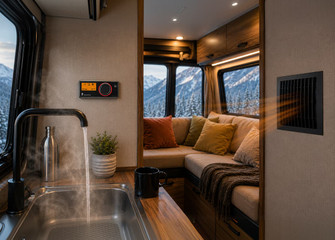
Diesel air heaters are often used as bunk heaters or sleeper cab heaters because they can keep the occupied space warm while the engine is off. They are a strong choice for semi truck sleeper cabs, work trucks, service trucks, and other diesel vehicles where parked heat matters.
For compact truck cab and sleeper applications, start with our 6,800-7,500 BTU/h air heaters, commonly grouped as 2 kW air heaters. Two compact diesel air heater options to compare are the Webasto Air Top 2000 STC Diesel 12V Heater Kit with Rheostat Controller and the Espar Airtronic AS3 D2L 12V 7,500 BTU Heater Kit.
Truck Sleeper Heaters and Bunk Heaters for Semi Trucks
A truck sleeper heater, bunk heater, semi truck heater, or semi truck sleeper heater is usually a diesel air heater installed to warm the sleeper area while the engine is off. These heaters are built for parked comfort and are commonly used by long-haul drivers.
For semi truck sleeper heating, the goal is steady, comfortable heat without running the engine through the night. A heater for semi truck sleeper comfort, or a semi truck cab heater, should be sized to the sleeper area, insulation, climate, and ducting layout.
A 6,800-7,500 BTU/h air heater is often a practical starting point for compact sleeper areas, while larger or poorly insulated spaces may need more output.
Coolant Heaters for Trucks
A coolant heater (also often referred to as block heater for diesel truck) warms the vehicle’s coolant circuit instead of heating cabin air directly. This makes it useful for engine preheating, cold-start support, defrost support, and integration with coolant-based heat exchangers.
For trucks operating in freezing conditions, coolant heaters can be valuable when engine preheating matters as much as cabin comfort. If you are comparing air heaters and coolant heaters, browse our coolant and water heaters category.
Diesel vs Electric Truck Cab Heaters
Diesel parking heaters are usually better for long-haul truck use because they do not depend on shore power. They use diesel fuel and the vehicle’s electrical system, which makes them more practical for overnight stops, remote parking, job sites, and cold-weather routes.
Some drivers search for a truck electric heater, plug in heater for truck, or cigarette lighter heater for truck, but these options are usually limited by available electrical power. Electric heaters can be useful where external power is available, but they are usually not the best choice for overnight truck cab heating without shore power.
Air Heater vs Coolant Heater for a Truck
Choose an air heater if your main goal is direct cab or sleeper heat. Air heaters are typically the right fit when the driver wants warm air in the bunk area without idling the engine.
Choose a coolant heater if your main goal is engine preheating, coolant-loop heating, cold-start support, or integration with the vehicle’s existing coolant-based heat system.
Heaters for Box Trucks and Service Trucks
For searches like heater for box truck, truck box heater, or box truck cargo heater, the right answer depends heavily on cargo-body size, insulation, door openings, airflow, and what needs to be heated.
A small cab heater may be enough for the driver area, but it may not be enough for a larger cargo body or mobile workshop. Larger air heaters or coolant-based systems may be needed depending on the application.
What Size Truck Cab Heater Do You Need?
The right heating capacity depends on cab size, insulation, climate, ducting layout, and how the truck is used. A compact sleeper cab may not need the same heater output as a large box truck body or poorly insulated work space.
For many sleeper cabs and compact truck cab applications, a 6,800-7,500 BTU/h air heater is a practical starting point. These are commonly described as 2 kW class heaters, although exact output varies by model. You can compare options in our 6,800-7,500 BTU/h air heater options.
Avoid choosing the largest heater just because it sounds stronger. Oversizing can make temperature control less comfortable and may not be the best match for a small, well-insulated sleeper area.
Key Features to Consider When Choosing a Truck Heater
Focus on four checks: heating capacity, fuel type, voltage, and installation requirements.
Heating capacity should match the space you need to warm. For compact cab heat, review 6,800-7,500 BTU/h air heater options first. For larger applications, compare heater output against the heated volume and insulation level.
Fuel type matters because most diesel trucks are best matched with diesel parking heaters. Gasoline parking heaters are better suited to gasoline vehicles, but diesel truck cab heating is usually diesel-focused.
Voltage must match the truck’s electrical system. Many compact mobile heater kits are available in 12V configurations, while some commercial and heavy-duty applications may require a different voltage.
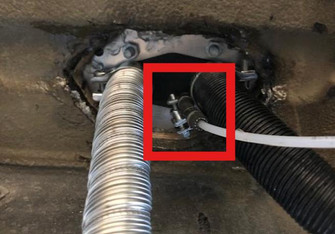
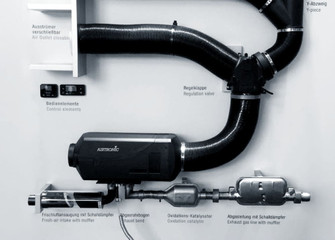
Finally, check installation requirements before choosing a heater. Fuel-burning heaters involve mounting, fuel supply, exhaust routing, combustion-air routing, electrical wiring, and safe heat distribution.
Benefits of Using a Diesel Parking Heater for Your Truck Cab
A diesel parking heater heats the occupied space without running the truck engine for cabin heat. That makes it useful for overnight parking, rest stops, loading delays, cold-weather starts, and job-site waiting periods.
For drivers, the main benefit is better sleeper cab comfort. For fleets and owner-operators, the value is reduced idle time, fewer unnecessary engine hours, and more practical cold-weather operation.
Installation Note
Truck cab heaters must be installed according to the manufacturer’s instructions for the exact heater model. Fuel-burning heaters involve exhaust routing, combustion-air routing, fuel supply, electrical connections, mounting clearances, and safe ducting. If you are not confident with these steps, use a qualified installer.
Best Truck Heater for Common Use Cases
Best for Semi Truck Sleeper and Diesel Truck Cab Heating
For most sleeper cab heat and compact diesel truck cab heating, start with a 6,800-7,500 BTU/h air heater. This size range is a practical fit for direct bunk or sleeper heating in many compact cab spaces.
Some drivers also search for this setup as a bunk heater for a semi truck or a diesel bunk heater for semi truck use.
Popular trucker choices include:
- Espar Airtronic AS3 D2L 12V 7,500 BTU Heater Kit
- Webasto Air Top 2000 STC Diesel 12V Heater Kit with Rheostat
Both are compact diesel air heater options to consider when you want direct warm air in a truck cab.
Best for Engine Preheating
Choose a coolant heater if engine preheating is the main goal. Coolant and water heaters are better suited to warming the engine coolant circuit than direct air heaters. Compare Coolant and water heaters if your truck needs cold-start or coolant-loop heating support.
Best for Box Trucks and Mobile Work Vehicles
For box trucks, service bodies, mobile workshops, and poorly insulated spaces, compare the heated volume and insulation before choosing output. A compact sleeper heater may not be enough for a larger body, so searches like heater for box truck or box truck cargo heater need a capacity-focused answer.
Find the Right Truck Cab Heater for Your Needs
A truck cab heater can make parked time warmer, quieter, and more efficient. For most diesel truck cab and sleeper applications, a diesel air heater is the best place to start. For engine preheating or coolant-loop heating, a coolant heater may be the better fit.
Shop our 6,800-7,500 BTU/h air heaters, compare the Webasto Air Top 2000 STC Diesel 12V Heater Kit with SmarTemp 3.0 BT Controller with the Espar Airtronic AS3 D2L 12V 7,500 BTU Heater Kit, or browse our coolant and water heaters if your truck needs engine preheating support.
If you are unsure which heater fits your truck, fuel type, voltage, or application, contact our team before ordering.
FAQ
What is the best heater for a truck cab?
For most diesel truck cabs and sleeper cabs, a diesel air heater is usually the best option. It provides direct cab heat while the engine is off and is more practical than electric heat for long parking periods without shore power.
Is a 7,500 BTU/h diesel heater enough for a semi truck sleeper?
A heater in the 6,800-7,500 BTU/h range is often a practical starting point for compact sleeper cab heating. The right size depends on insulation, climate, cab size, air leakage, and ducting layout.
What is the difference between a bunk heater and a parking heater?
A bunk heater usually refers to a heater used to warm the sleeper or bunk area of a truck. A parking heater is the broader term for a heater that works while the vehicle is parked and the engine is off.
Are diesel parking heaters better than electric heaters for trucks?
For most long-haul diesel trucks, yes. Diesel parking heaters are usually more practical because they do not depend on shore power. Electric heaters can work in plug-in parking situations, but they are less useful for remote or overnight stops without reliable external power.
Should I choose an air heater or a coolant heater for my truck?
Choose an air heater for direct cab or sleeper heat. Choose a coolant heater if you need engine preheating, coolant-loop heating, or support through the vehicle’s coolant-based heat system.
Do truck parking heaters need professional installation?
Many truck parking heaters require careful fuel, exhaust, combustion-air, electrical, and mounting work. Follow the manufacturer’s installation manual for the exact heater model, and use a qualified installer if you are unsure.